
Knee pain
Including osteoarthritis, meniscus and cruciate ligament problems. Treatment in Rijswijk, near The Hague

Sound familiar?
- Is your knee getting in the way of your daily activities?
- For example, does it hurt to climb stairs or to sit down in a chair?
- Do you feel your knee doesn't have enough room to move?
- Maybe that knee pain makes it hard to play sport?
- Can't you manage to stay pain-free on your own yet?
Could this be done differently?
- Would you like to do your daily activities without pain again?
- Want to play sport completely pain-free again?
- What would it be like to do everything again?
- Want to see results right away?

Zorgkaart Nederland

Daan is a very skilled physiotherapist. For quite a while I had problems with my knee when running, taking the stairs, cycling etc. He drew up a treatment plan with me and each time we discussed what training I could do. I’m really so happy that the pain in my knee has gone and also how quickly he managed it. I would recommend him to everyone
Written by Daan Lansdorp, physiotherapist and owner of FysioGrow.
Do you have knee pain during everyday activities like climbing stairs, squatting, cycling or running? Is it holding you back at work, in sport or in the things you love doing most? Imagine being able to move again without constantly thinking about your knee.
At FysioGrow in Rijswijk, near The Hague, we see people with knee pain every day: from runner’s knee to meniscus injuries, and from patellofemoral pain to osteoarthritis. On this page you can read where this pain can come from and what we can do about it together.
Symptoms of knee pain
Knee problems can show up in different ways. Where the pain is often says something about the cause. Besides the pain itself, you may have these symptoms:
- Pain on the inside, outside, front or back of the knee
- Not being able to fully straighten or bend the knee
- Weakness or an unstable feeling, the sense that the knee ‘gives way’
- Swelling, redness or warmth around the knee
- Stiffness when getting going after sitting or lying down for a long time
- A grinding, cracking or clicking sound when you move
- Pain when climbing stairs, squatting, cycling or getting up from a low chair
- A locking feeling where the knee briefly gets stuck
In the early stage you often only feel pain when you move. Later on, the pain can also be there at rest. The sooner we get to it, the better the chance that we can solve the problem for good.
Causes of knee pain
Knee pain can have different causes. Think of acute injuries, problems in the movement chain where muscles, ligaments and bones don’t work together properly, long-term overload or osteoarthritis. All of these causes send a pain signal through the central nervous system.
When the nervous system thinks it sees a problem or damage in the body, it will try to stop the problem from getting bigger. It does that by sending a pain signal. So that signal actually has a good reason. Instead of ‘numbing’ the signal with a painkiller, we can also look for the cause of the problem. If you deal with that, there is a good chance the pain goes away for good, without you having to depend on pain medication.
The most common causes of knee pain:
- Cruciate ligament injury: a partial or complete tear of the anterior or posterior cruciate ligament, often after a twisting movement during sport.
- Meniscus injury: the tough cartilage of the meniscus works as a shock absorber between the shinbone and thighbone, and can tear from a wrong twist or from wear.
- Fracture: usually after a collision or fall, more often in older people because of osteoporosis (lower bone density).
- Knee bursitis: inflammation of a bursa, the small fluid-filled sac that helps tendons and ligaments glide smoothly around the joint.
- Patellofemoral pain syndrome: too much tension on and around the kneecap, often due to muscle imbalance or a change in load.
- Patellar tendinitis (jumper’s knee): inflammation of the tendon below the kneecap, often seen in jumping athletes, runners and cyclists.
- Iliotibial band friction syndrome (runner’s knee): irritation of the band of tendon tissue on the outside of the leg that attaches to the knee.
- Osteoarthritis: gradual wear of the cartilage in the knee, a process that happens to everyone but sometimes causes annoying pain.
There are more possible causes; during the examination we map out exactly which factors play a role in your pain. Sometimes the pain stays, even though the body seems to have healed the acute cause. That can happen because the body has developed compensation strategies to keep moving. In the longer term, that compensation can actually cause overload in other parts of the body, like the hip, the pelvis or the other knee.
After an injury, some muscles can also stay tense to protect the area, which causes stiffness and ongoing pain. Lifestyle factors play a part too: stress, lack of sleep and too little movement make the nervous system more sensitive to pain signals, so the pain can last longer than you would expect based on tissue healing. By including these factors in the examination, we can tackle them in a targeted way.
Treatment of knee pain
Once we have found out what is causing your pain, we draw up a treatment plan together. We don’t just look at the knee itself, but at the whole movement chain: hip, ankle, trunk and the way you move.
First we try to get all the muscle tissue, connective tissue and joints working properly again on their own. Sometimes there is still too much tension in the tissue, and that needs to be treated first. We do this hands-on on the treatment table with techniques like trigger point therapy, mobilisations and, where needed, dry needling. Once the tissue has been treated, you can produce more strength straight away and your mobility improves.
Then we teach the body to get all the tissues working together properly again. At the right moments, every part needs to do its job the way it should. When you walk, your foot hits the ground; your body weight then comes onto that leg, and that weight has to be spread evenly. If there is too little activity in, for example, the glutes, the force will still find a way through the leg. That can cause far too much tension in the muscles around the knee, leading to pain in the long run.
By teaching the body during the exercise programme to spread force evenly through the leg again, we tackle the cause of the pain. We work with a progressive programme: from simple basic exercises to functional movements that fit your daily activities or sport.
The number of treatments depends on the problem. With overload problems like runner’s knee or patellofemoral pain, we often see clear results within six to eight weeks. With bigger injuries like a cruciate ligament tear or after knee surgery, recovery takes longer, because the natural healing process has a big influence here. We always match the pace to what your body can handle.
Do you want to get rid of your pain, have a proper examination to find out where it comes from, and move better, longer and more freely again? Then book an appointment and come and see us at our practice in Rijswijk, near The Hague. Want more information first? Click the WhatsApp icon and I’ll be happy to answer your questions.
Frequently asked questions about knee pain
How long before I can play sport again without pain?
That depends a lot on the cause. With overload problems like runner’s knee or patellofemoral pain, we often see clear progress within six to eight weeks. With a meniscus injury or after cruciate ligament surgery, recovery can take three to nine months. We always build up the load step by step, so you return to your sport safely without the risk of a setback.
Do I need a referral from my GP?
No, you don’t need a referral for physiotherapy. You can book an appointment with us directly through the website or by phone. For specific conditions that fall under special care, for example after knee surgery with a chronic list indication, you may need a referral for reimbursement. We will look at that together at the first contact.
Is physiotherapy for knee pain covered?
In many cases physiotherapy is covered by your supplementary insurance. The number of treatments per year differs per policy. For specific knee conditions on the chronic list, such as after a total knee replacement, the basic insurance covers treatment from the 21st treatment onwards. Check your policy conditions or contact your health insurer for specific information.
What can I do myself while waiting for my first appointment?
Keep moving, but avoid activities that clearly make the pain worse. Complete rest isn’t needed for most knee problems and is often even unhelpful. Try to move the knee regularly within a pain-free range. If there is swelling, cooling for ten to fifteen minutes a few times a day can bring relief. Avoid putting heavy load on an acutely painful knee and keep a good balance between activity and rest.
Which exercises are good for knee pain?
Which exercises are suitable depends on the specific cause. In general, strengthening exercises for the thigh and glute muscles are valuable for many knee problems, because good hip and glute function greatly reduces the load on the knee. Cycling on an exercise bike and swimming are often well tolerated. During the examination we put together a personal exercise programme, tailored to your problem and goals.
When is surgery necessary?
In most cases surgery isn’t needed. Even with meniscus injuries and partial cruciate ligament injuries, physiotherapy often turns out to be just as effective as surgery, with fewer risks. Surgery is mainly considered with severe instability, a locking knee, or when conservative treatment doesn’t give enough results. We work closely with orthopaedic surgeons in the region and can advise you on a referral where needed.
The knee is part of the load chain of the whole leg. A disrupted movement pattern here can also lead to back pain, because the body looks for ways to compensate.
Other common problems
Might also be relevant for you
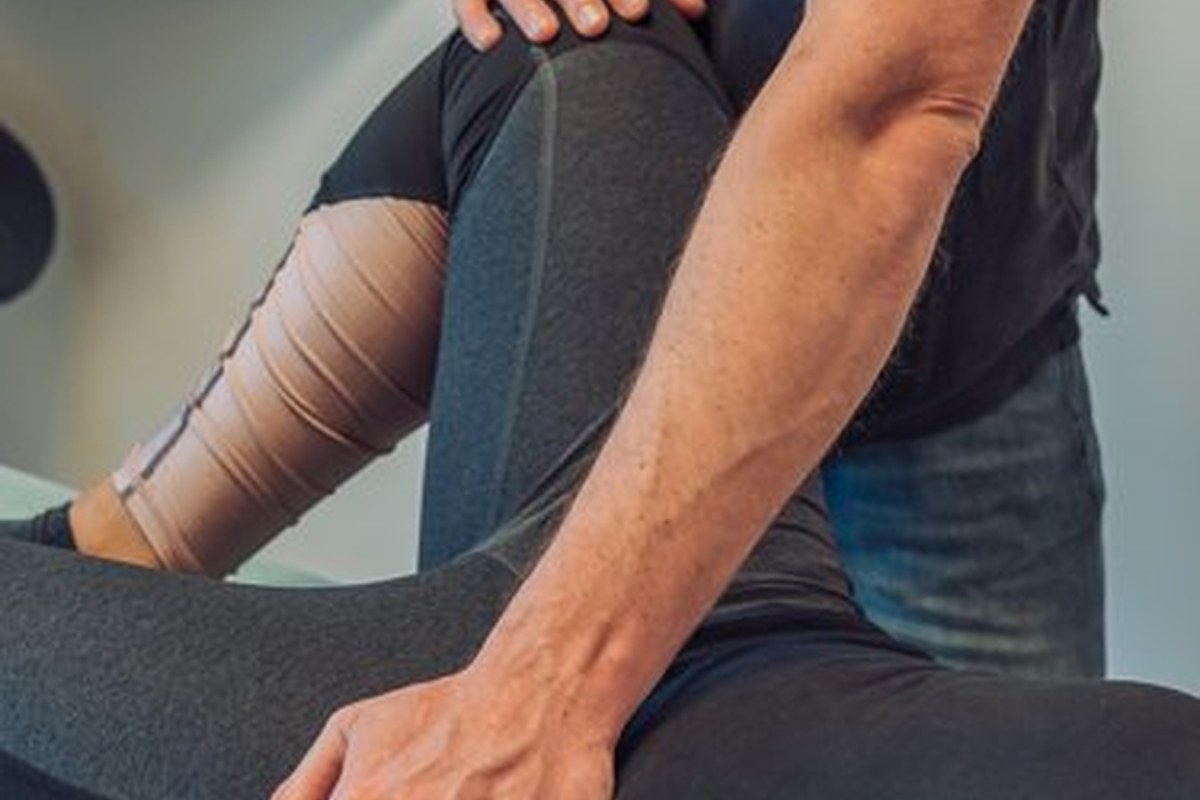

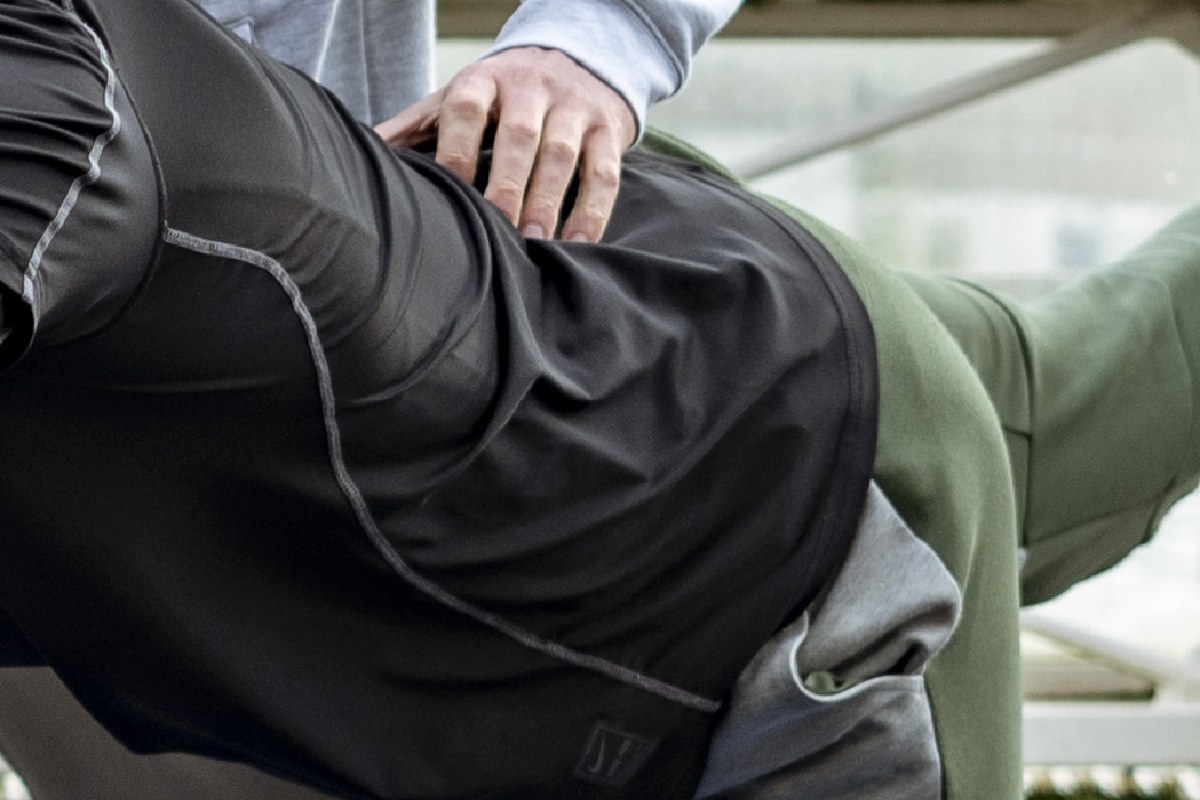
The solution for your knee pain!
Step by step we work towards being pain-free for good. We do this by combining the best hands-on techniques with a personalised exercise programme. We also look at changes you can make in your daily life to prevent the pain.